
Almost every time I've posted a condensed milk fudge recipe to the blog, someone has asked me which 'type of condensed milk' they should use. There seems to be a bit of confusion about the difference between evaporated milk and condensed milk, so I thought I'd write a post to help explain. They can look quite similar in the cans and are often placed right next to each other in the supermarkets, so it's an easy mix-up to make!
Even though they're made in a similar way, these two types of milk behave very differently in recipes. Using the wrong one can cause your recipe to fail, and it's actually one of the most common reasons things like fudge and no-bake cheesecakes don't set properly. So let's talk about it in a simple, non-confusing way.

What Is Evaporated Milk?
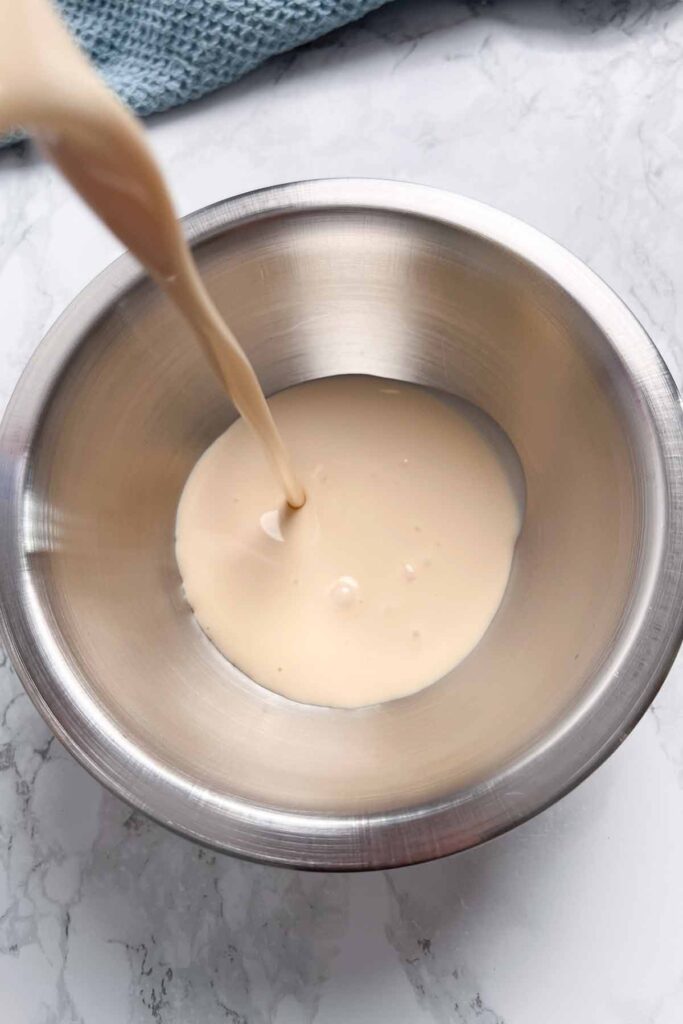
Evaporated milk is cow's milk that's had a lot of water removed, which gives it a slightly thicker texture than regular milk. It's still quite thin and pourable, a bit like single cream.
It doesn't have any added sugar but does have a slightly sweet taste from processing. The flavour is actually very similar to condensed milk, which is why I think a lot of people confuse them.
Evaporated milk is pretty versatile and can be used in a variety of recipes. In the UK, I most often see people using it as a low-fat cream substitute. It could be a topping for apple pie or added to mac and cheese to make it creamier. Many people like to put it in their coffee too!
What Is Condensed Milk?
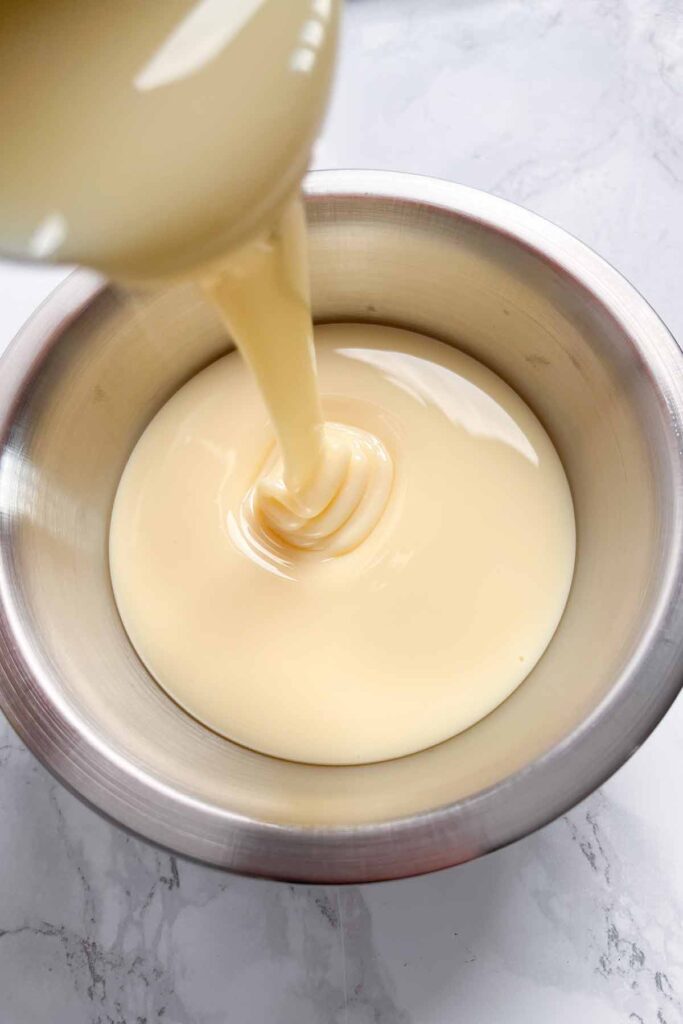
Condensed milk is essentially evaporated milk with added sugar. The sugar gives it a thick, syrupy texture and a super sweet flavour. It's sometimes referred to as sweetened condensed milk, which can be confusing, but they are the same thing. 'Unsweetened condensed milk' is just evaporated milk.
Because it's so sweet, condensed milk is mainly used in dessert recipes. Things like fudge, brownies, no-churn ice cream, millionaire's shortbread, biscuit slices and no-bake cheesecakes. If you've ever found that your condensed milk fudge won't set, double-check that you didn't use evaporated milk by accident.
What's The Difference?
The biggest difference between evaporated milk and condensed milk mainly comes down to sweetness and texture.
Evaporated milk is unsweetened and light, so it works well in both savoury dishes and recipes where you don't want too much sweetness. On the other hand, condensed milk is thick, sweet and pretty much made for desserts.
Once you've opened both tins and compared them side by side, the difference is pretty obvious. One pours like cream, the other is slow, thick and sticky.
Can You Use Evaporated Milk Instead Of Condensed Milk?
This is one of the most common questions I get asked whenever I share a condensed milk dessert recipe! And almost 100% of the time, the answer is no. Imagine if you added cream to a flapjack recipe instead of golden syrup; the result would be very different!
On the other hand, if you used condensed milk instead of evaporated milk, your recipe will turn out much sweeter with a totally different texture. Think of this like adding a bunch of syrup into a pot of tomato soup instead of cream. It just wouldn't work!
In a nutshell, these are not just two versions of the same thing- they serve completely different purposes in recipes. It's one of those little things that can make a huge difference, especially when making fudge or other no-bake desserts that need to set properly.
How to transform evaporated milk into condensed milk
- Add 410g evaporated milk into a saucepan along with 350g caster sugar (or 200g sugar if you're using a 170g tin).
- Place the pan over medium heat on the stove, bring it to a boil, then reduce the heat to low and let it simmer. Remove it from the heat once it becomes creamy and the sugar has fully dissolved.
- Remove it from the heat and leave to cool completely. It will become thicker as it cools down.
- Store in an airtight container in the fridge for up to 1 week.
I hope this post helps clear things up and makes your baking journey a little bit easier! If you have any other tips to share, make sure to leave a comment below to let me know. Happy baking!



Leave a Reply