
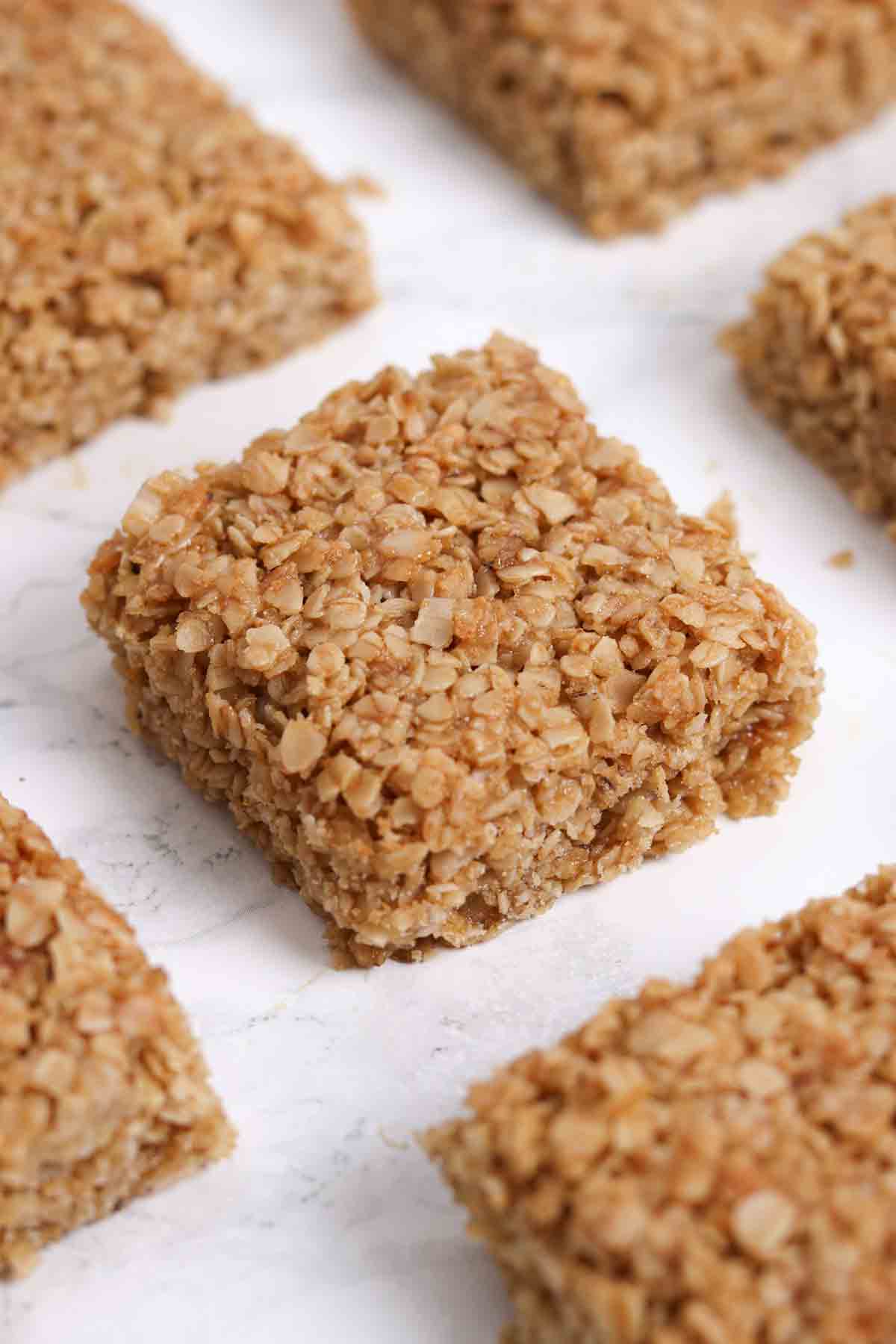
Flapjacks are one of the most popular British traybakes and for good reason! They are simple to make, easily adaptable, and make a handy on-the-go sweet treat. I grew up eating a LOT of flapjacks and have been baking them at home for over 20 years now, testing different ingredients, baking tins, techniques and flavour combos to perfect my recipes.
On this page, you'll find everything you need to know about how to make flapjacks, including ingredient tips, troubleshooting advice, how to get the texture you're after (whether that's crunchy, gooey or chewy), plus all of my tried-and-tested recipes!
If you're looking to jump straight into baking, you can browse through all of my flapjack recipes to see what takes your fancy.
Jump to:
- What Is a Flapjack?
- Basic Flapjack Ingredients
- Chewy vs Gooey vs Crunchy - What's The Perfect Flapjack Ratio?
- What's the Best Tin Size for Flapjacks?
- How to Make Flapjacks
- How Long To Bake Flapjacks
- My Expert Tips for Perfect Flapjacks Every Time
- Flapjack Troubleshooting & FAQs
- Storing and Freezing
- Flapjack mix-in ideas
- More Sweet Traybake Recipes
- Simple British Flapjack Recipe
What Is a Flapjack?
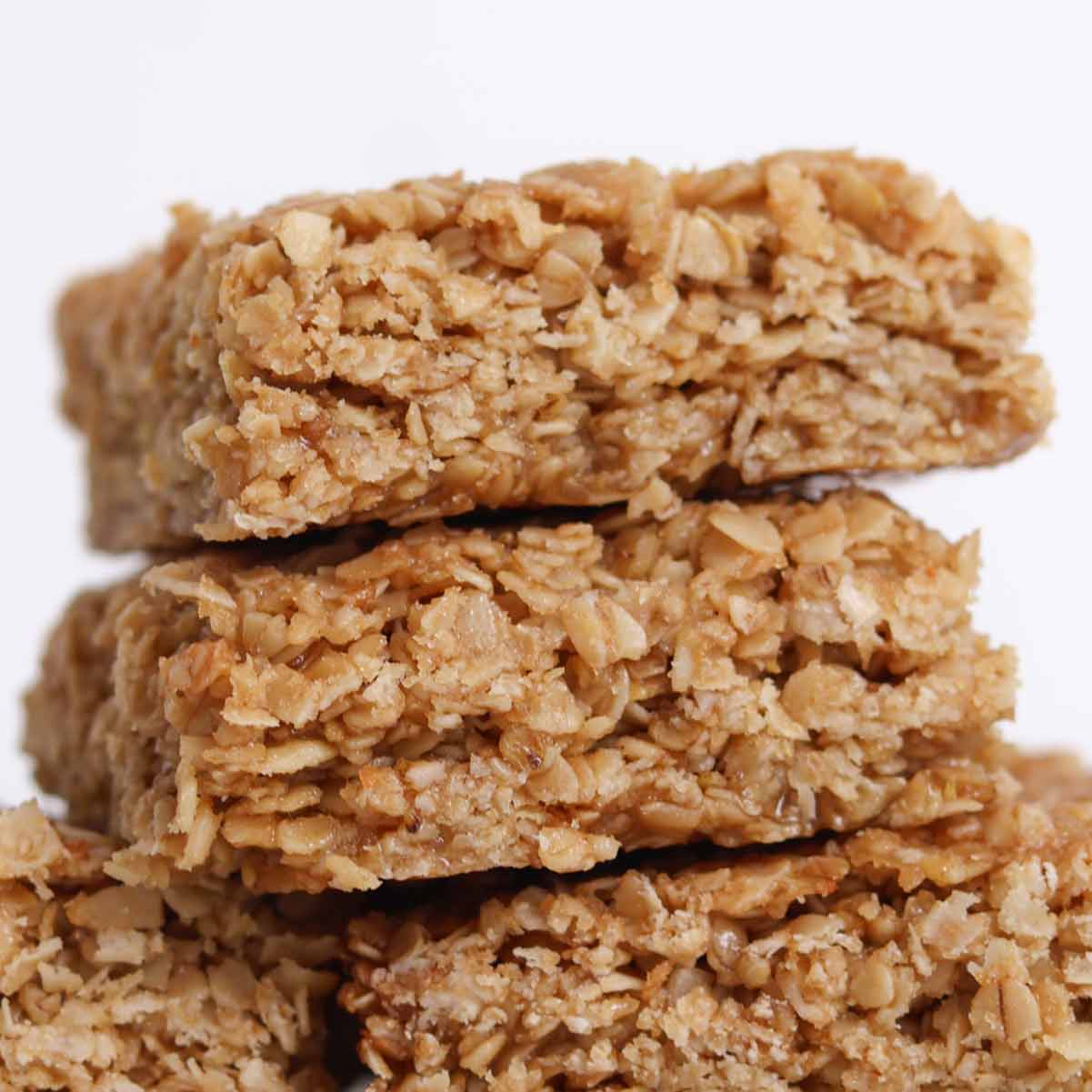
In the UK, a flapjack is a baked traybake made with oats, butter, sugar, and golden syrup. The mixture is pressed into a tin, baked, and then cut into squares or slices once cooled.
As you'll now realise, this is different from American flapjacks, which are actually just thick pancakes. British flapjacks are a bit similar to granola bars, but with a richer, more buttery texture.
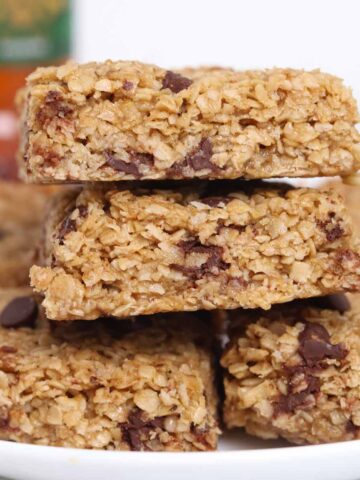
Flapjacks can range from soft and chewy (the best way) to crispy and crunchy, depending on the ingredients and how long you bake them for. You can also customise with mix-ins like chocolate, dried fruit, nuts, or fillings.
Basic Flapjack Ingredients
Traditional flapjacks use just four main ingredients. Each ingredient plays an important role in both flavour and texture.
- Oats give the flapjack structure.
- Sugar provides sweetness and moisture.
- Butter adds richness and helps bind the mixture together.
- Golden syrup acts as an additional binder, adds extra sweetness and gives the flapjack its iconic flavour.
Which Oats Are Best for Flapjacks?
Rolled oats (porridge oats) are the most popular type to use for flapjacks and give them a nice chewy texture. These are what I always use in my recipes! Jumbo oats create a chunkier, more textured flapjack, while quick oats absorb more moisture and produce a drier, denser result.
Rolled oats are best for flapjacks but you can use jumbo or quick oats as long as the recipe calls for them, as it's likely the other ingredients have been adjusted accordingly.
Golden syrup alternatives
Golden syrup is key for that traditional British flapjack flavour. However, it doesn't matter too much when it comes to the texture, as alternatives won't change it drastically.
If you can't find golden syrup, you can use runny honey or maple syrup instead, although the flavour will of course be a little different. I've written a post about other substitutes for golden syrup. In my experience, honey tends to produce a slightly firmer result. You can see how this works in my honey flapjack recipe.

White vs Brown Sugar in Flapjacks
While white sugar works fine in flapjacks, brown sugar is a better choice. It contains extra moisture and a little molasses, which helps create chewier bars that hold together nicely without falling apart. White sugar, on the other hand, produces a sweeter flapjack that is a little more on the crunchy side. For the traditional flapjack flavour and texture, I recommend sticking with brown sugar (specifically light brown).
Butter vs Margarine vs Coconut Oil
Butter provides the richest flavour and will give you the best results. I especially like to use salted butter, which balances out the sweetness perfectly, but this is not essential. Margarine/baking spread works fine for texture but has less depth of flavour, so always use butter if you can!
Coconut oil is a common option for free-from baking but in my experience, vegan butter is the best option for dairy-free flapjacks. I have tested my recipe with coconut oil in the past but don't recommend it as the flavour is overpowering and the texture is more dense/gummy. I really like this vegan flapjack recipe.
Chewy vs Gooey vs Crunchy - What's The Perfect Flapjack Ratio?
A good basic British flapjack ratio is 3:1.5:1 - 3 parts oats, 1.5 parts fat, and 1 part sugar (plus a few tablespoons of syrup). This is roughly the ratio I use in my recipes.
You can adjust the flapjack texture just by changing the baking time and/or your tin size, but you can also do it by changing the amount of oats, sugar or syrup from the basic ratio. In my experience, it's a good idea to keep the amount of butter the same, as changing this usually just results in dry or greasy flapjacks.
Chewy flapjacks follow the basic ratio and are baked until they're just golden at the edges. They should still have a slight wobble when you take them out of the oven, which will become firm as they cool. To make my flapjacks extra chewy, I keep them in the fridge.
Crunchy flapjacks are baked for longer, which allows more moisture to evaporate, and they usually use a bit more sugar, which caramelises more in the oven. Baking your flapjack in a larger tin will cause it to bake faster and become crunchier. To get a crunchy texture, look for it to be golden brown all over rather than just around the edges.
Gooey flapjacks can be created by adding slightly more syrup and less oats. For example, in my gooey flapjack recipe, I doubled the golden syrup and reduced the oats by around 10% compared to my usual recipe.
What's the Best Tin Size for Flapjacks?
This depends on the recipe you're using and how much mixture you have. It's more about the thickness of the mixture in the tin rather than the size of the tin.
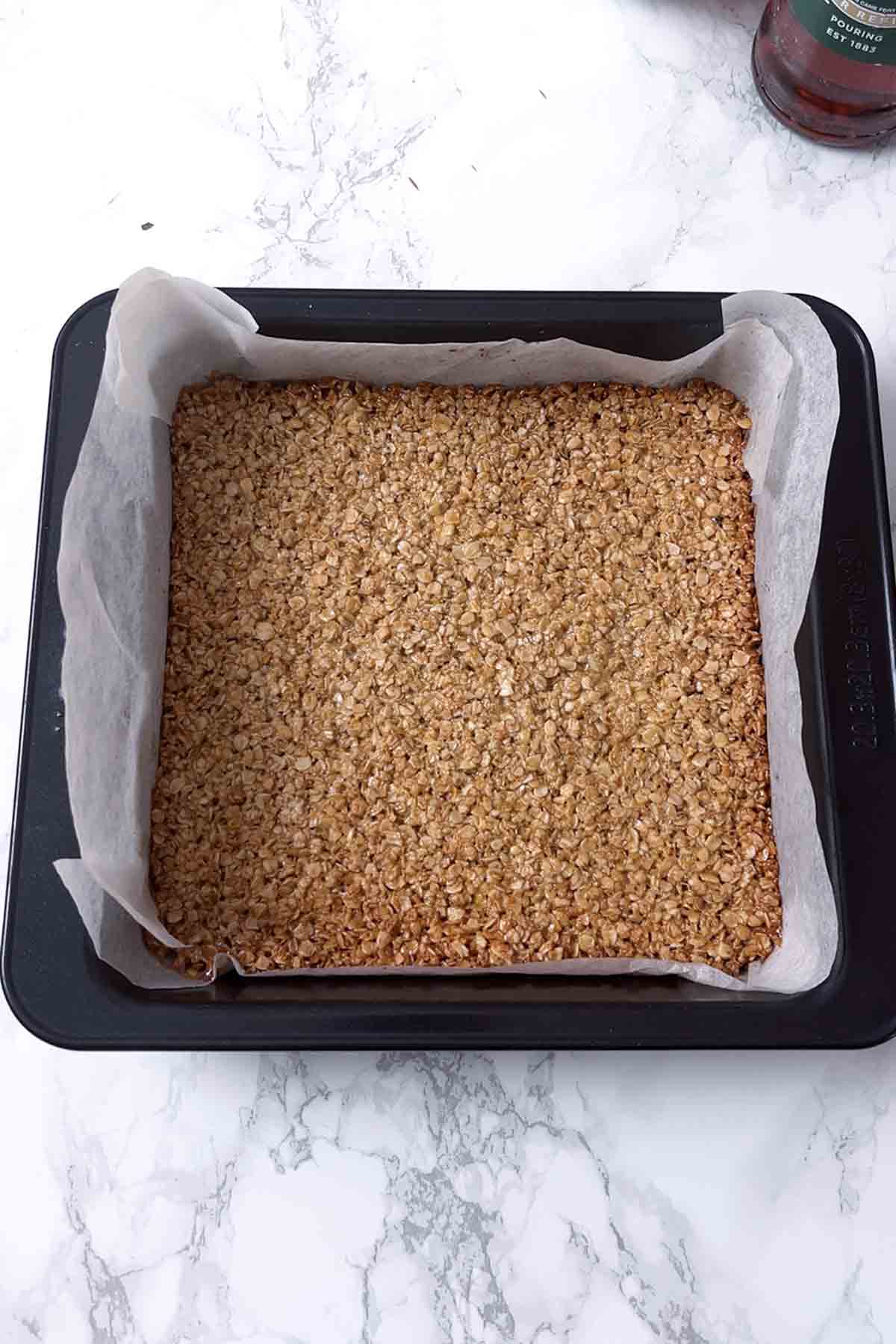
Once the mixture is pressed into the tin, you want it to be roughly 1 inch thick. A smaller tin will create thicker flapjacks that will need longer in the oven (sometimes at a lower temperature to prevent burning). A larger tin produces thinner flapjacks that will need less baking time.
Most flapjack recipes either use an 8x8-inch square tin (this is my go-to for most of my traybakes) or a 9x12-inch rectangular tin. If you'd like to adjust the recipe to fit your tin size, use my cake pan converter. This will ensure they are the right thickness, but baking time may still need to be adjusted as above.
How to Make Flapjacks
The basic method is simple:
- Add the oats to a large bowl.
- Melt the butter, brown sugar and golden syrup gently in a saucepan.
- Pour the wet mixture into the bowl with the oats and mix well.
- Press everything firmly into a lined tin.
- Bake until golden around the edges.
- Score into portions while warm.
- Allow to cool completely in the tin.
- Cut into slices.
How Long To Bake Flapjacks
Most good flapjack recipes fall in the 20-30 minute range at around 180°C (350°F), but this will depend on the size of tin you're using. A smaller or deeper tin might need a little longer in the oven, while a larger or shallower tray will cook faster.
How to tell when flapjacks are done
An easy way to tell when flapjacks are done is by looking at the edges. They should be lightly golden while the centre should still wobble slightly when you jiggle the tin. Just like other baked traybakes, flapjacks continue to firm up as they cool, so if anything, it's better to slightly underbake them than overbake. They should not be golden brown all over, unless you like them hard and crunchy.
Ovens can run hot or cold, so if your flapjacks consistently come out burnt or too soft, it might be worth using an oven thermometer to ensure your temperature is correct.
My Expert Tips for Perfect Flapjacks Every Time
As I mentioned at the start of this post, I've been eating and baking flapjacks for over 20 years now, so I know my stuff when it comes to the perfect texture and flavour! Here are my top tips in a nutshell:
- Use a food scale and measuring spoons to measure, always! Cups just don't cut it when you're looking for reliable, repeatable results.
- Melt the wet ingredients over low heat before mixing them into the oats. This will help prevent the sugar from sinking to the bottom of the pan and creating a sticky texture.
- Press the mixture firmly into the tin to help it hold together later.
- Don't overbake. They should be golden around the edges and a bit wobbly in the middle when they first come out (unless you like them crunchy).
- Let them cool for 5 minutes, then score where you plan to cut them. Then let them cool for around 6 hours before cutting, for perfectly clean edges.
- Line the tin over the edges so you can lift the flapjack out easily once cooled.
- For an extra chewy texture, chill the flapjack in the fridge for around 2 hours before cutting it. This is my favourite way to enjoy them!
Flapjack Troubleshooting & FAQs
The main reason this happens is cutting them before they've fully cooled. It can also be caused by using recipes without enough butter or syrup. Check out my troubleshooting tips for flapjacks that fall apart to learn more.
Flapjacks can become crunchy if you bake them for too long or boil the sugar mixture. For more info, read my Why Are My Flapjacks Hard? post.
This is usually because the ratio of oats to wet ingredients is off, or you've left them to bake for too long.
Incorrectly measuring your ingredients, or increasing the amount of butter without adjusting the rest of the recipe. Learn more in my guide: Why Are My Flapjacks Greasy?
Your tin may be too small or the oven temperature is too high. Always use the size of tin your recipe calls for, and use an oven thermometer to ensure the temperature is correct.
Wait until they're fully cooled before cutting. You can also lightly score the flapjacks while they're still warm, but not hot. I've written an entire post about how to cut flapjacks cleanly if you'd like to learn more.
They can be, in moderation. Flapjacks contain oats, which are packed with fibre and slow-release carbohydrates, but they also contain butter and refined sugar, so they're best enjoyed as an occasional treat.
As long as your air fryer can fit your tin, absolutely! A general rule for converting oven temperature to air fryer is the 20/20 rule. This means to reduce the temperature by 20°C and reduce the baking time by 20%. So for my recipe that's baked in the oven at 180°C for 20 minutes, you'd bake them in the air fryer at 160°C for ~16 minutes.

Storing and Freezing
Flapjacks will keep well for around 1 week in the fridge and up to 3 months in the freezer. You can pop them into an airtight container or freezer bag, or wrap them tightly in clingfilm or foil. For more storage tips and step-by-step instructions, see my full guide on how to freeze flapjacks.
Flapjack mix-in ideas
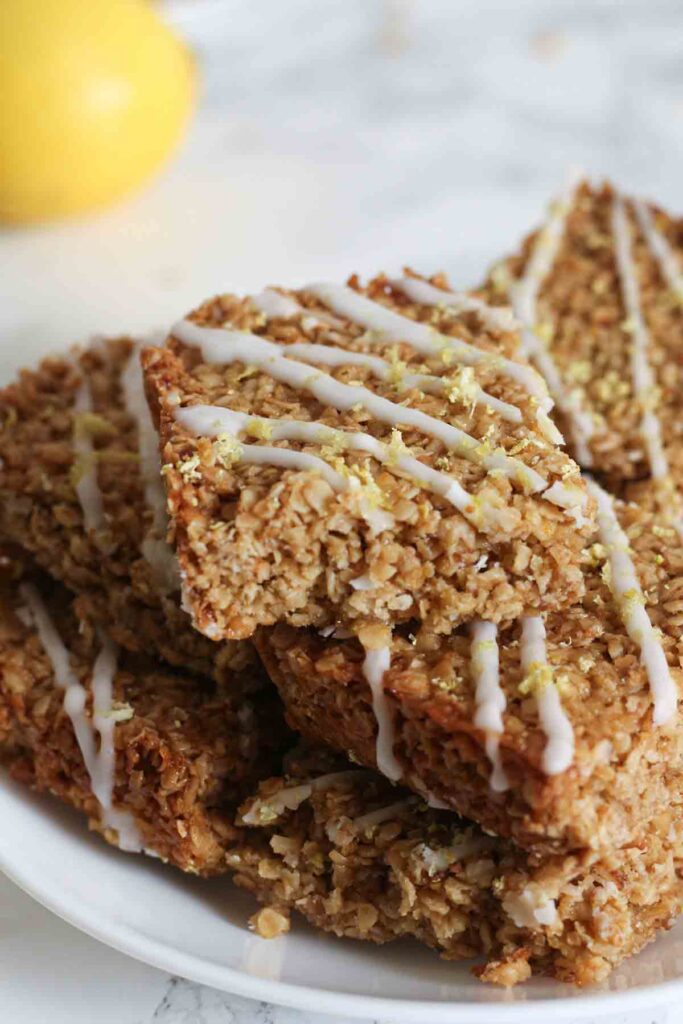
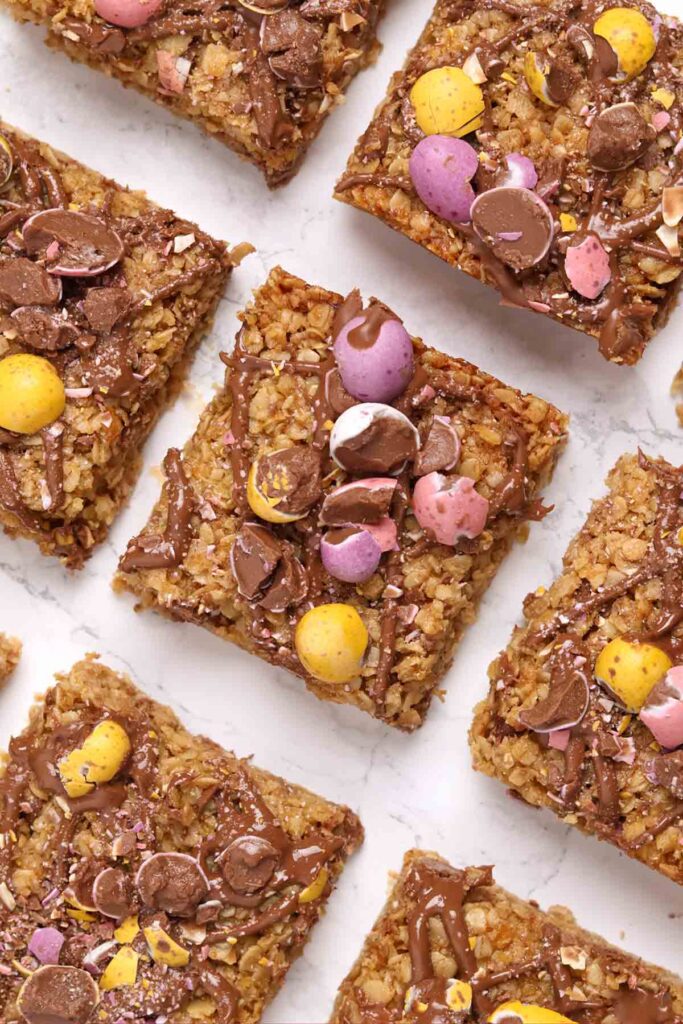
Tired of plain old flapjacks? Well, you can easily turn a basic recipe into something special by adding some mix-ins. Classic options include chocolate chunks, raisins, nuts or seeds, but you can get more creative by adding peanut butter, Nutella, or even some festive sweets like Mini Eggs. These not only add flavour and texture but will also make your flapjacks prettier and more fun to serve!
For inspiration, check out some of my favourite fruity combinations in these recipes, or check out my 50+ flapjack mix-in ideas post.
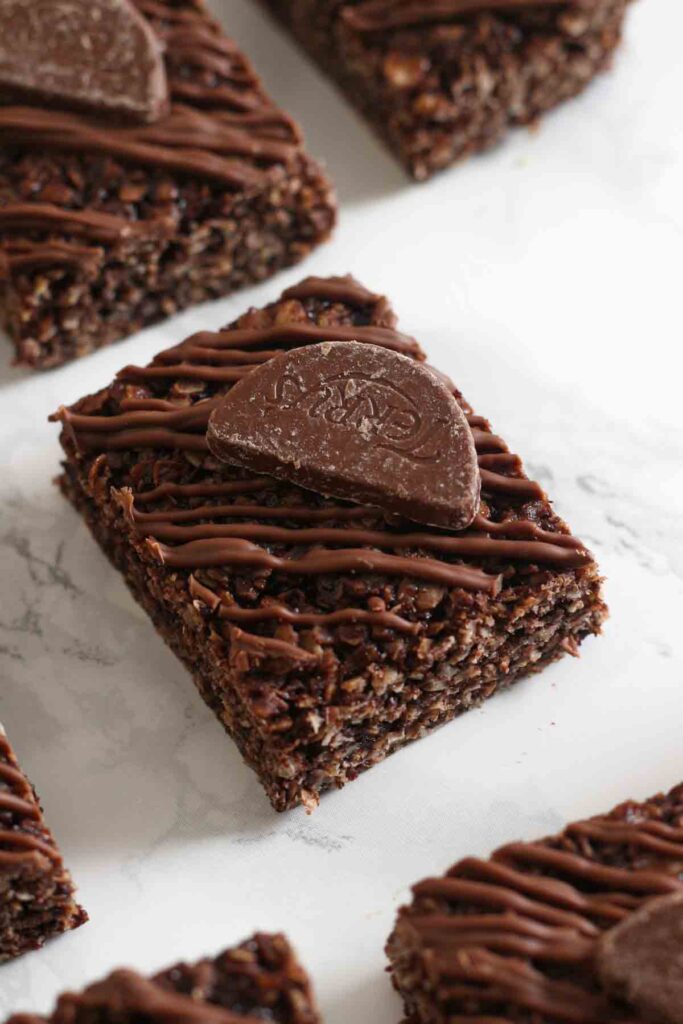
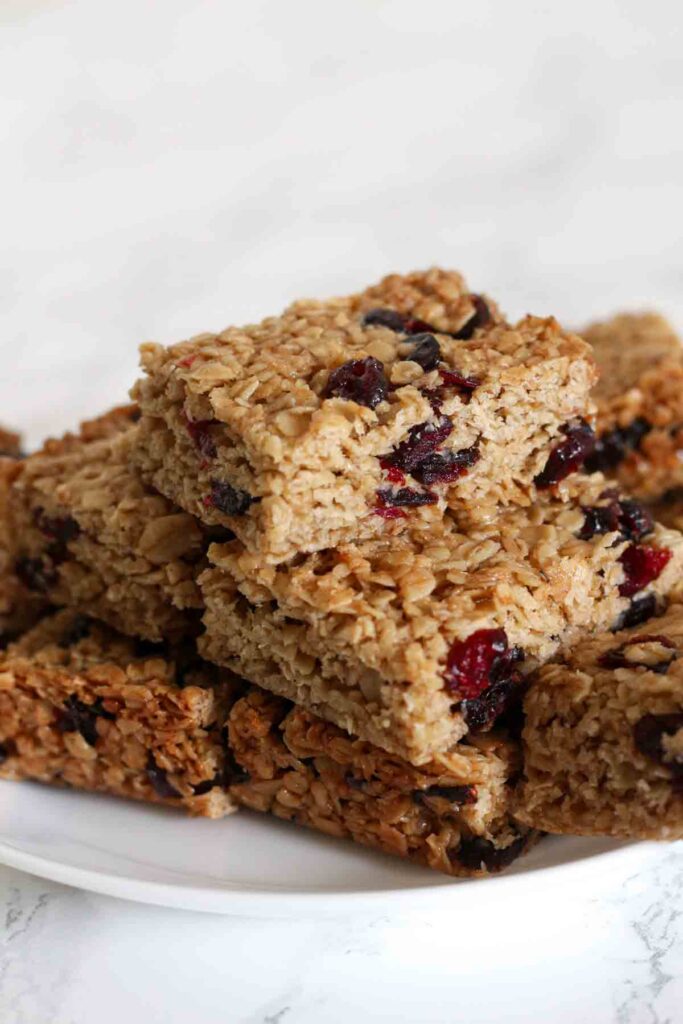
Or for something more indulgent, check out these:
- Cinnamon flapjacks
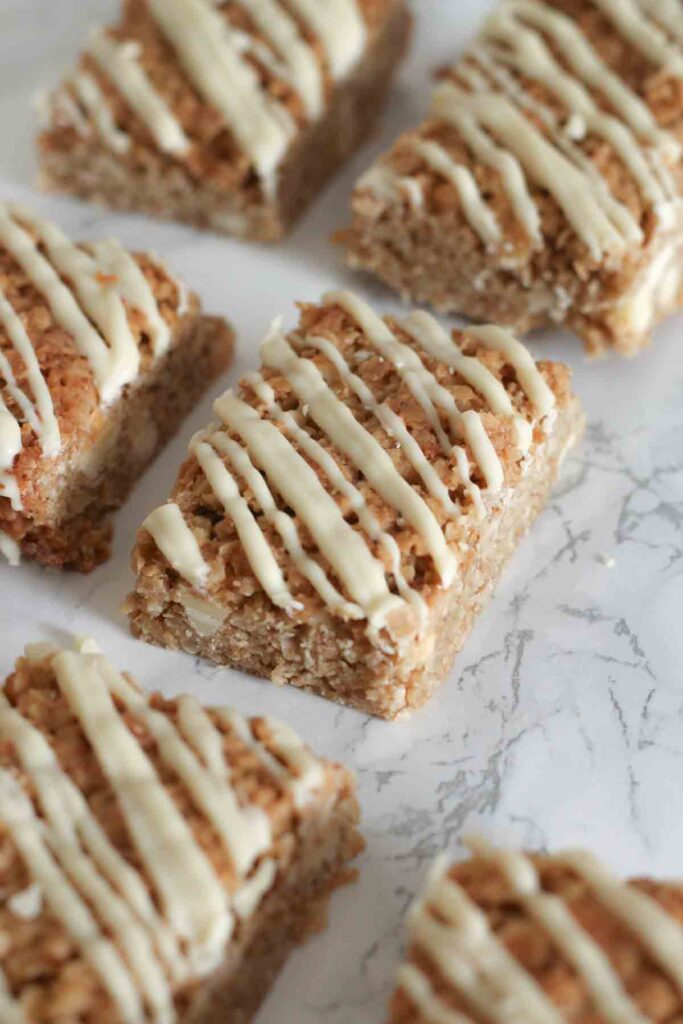
- White chocolate flapjacks
- Mini Egg flapjacks
- Nutella flapjacks
- Peanut butter flapjacks
- Protein flapjacks

More Sweet Traybake Recipes
If you enjoy flapjacks, you might also like my other sweet traybake recipes, including no-bake traybakes, traybake cakes, brownies, blondies, and rocky road.
Simple British Flapjack Recipe
Ingredients
- 150 g Unsalted butter
- 120 g Soft light brown sugar
- 2 Tablespoons Golden syrup
- 300 g Oats
Instructions
- Preheat your oven to 180℃ (or 160℃ for fan ovens) and line an 8x8 tin with baking paper.
- Melt the butter, sugar and golden syrup over low heat on the stove. When the sugar has dissolved, remove it from the heat and let it cool for a minute or two.
- Add the oats to a large bowl then pour in the wet mixture. Mix well until the oats are evenly coated.
- Press the mixture firmly into your tin and bake for around 20 minutes. The flapjacks should be golden at the edges and a bit wobbly in the middle. They will firm up as they cool.
- Leave the flapjack to cool at room temperature for about 3 hours, then cut into slices and enjoy!
Notes
- Store in an airtight container in the fridge for up to 1 week.



Leave a Reply